Your Burnout Coach for Sustainable Recovery

Burnout can feel like constant exhaustion, emotional distance, loss of motivation, or being unable to truly switch off. Working with an online burnout coach gives you practical, personal support from your own space to understand what is draining you, strengthen your boundaries, and build a healthier, more sustainable way of working and living.

Online burnout coaching that fits your life

Working with a burnout coach online gives you support without adding more pressure to your schedule. You can meet from your own space, avoid travel, and create room for reflection even if your life feels full.

Online coaching can be especially helpful when you are already tired, overstimulated, or trying to reduce unnecessary demands. It allows us to work in a focused and personal way while keeping the process accessible.

The goal is not to add another task to your life. The goal is to help you understand what is draining you and what can support you.

burnout, man with burnout, tired in front of computer, chronic workplace stress

What burnout can feel like

Burnout can show up in different ways depending on the person, profession, and life context. For some people, it feels like constant exhaustion. For others, it appears as irritability, cynicism, loss of motivation, emotional numbness, or the feeling that nothing they do is ever enough.

The World Health Organization describes burnout as an occupational phenomenon resulting from chronic workplace stress that has not been successfully managed. It is characterized by energy depletion or exhaustion, increased mental distance or negativity toward work, and reduced professional efficacy. (World Health Organization)

This distinction matters. Burnout is strongly connected to work and chronic stress, but the effects can reach far beyond your job.
Burnout coaching is not therapy

Burnout coaching can help you identify stress triggers, understand patterns, build practical routines, and develop a sustainable recovery plan. It can support you in taking steps toward better boundaries, work life balance, and resilience.

At the same time, coaching is not therapy and no medical treatment. Coaches do not diagnose mental health conditions. If you are experiencing severe depression, anxiety, trauma symptoms, self-harm thoughts, or a mental health crisis, it is important to seek help from a qualified mental health professional, doctor, psychotherapist, or clinical psychologist.

On my website, I describe coaching as support for personal growth, development, and quality of life. It is not a substitute for medical or therapeutic care.

My approach as a burnout coach

My coaching approach is rooted in real-life experience, practical knowledge, and scientific insight. I work with you as a whole person, not as a problem to be fixed.

My approach is also influenced by scientific collaborations and exchanges with institutions such as Charité Berlin, Heidelberg University, and the Central Institute of Mental Health in Mannheim. These experiences inform the way I think about self-awareness, behavior, emotional patterns, and sustainable change.

Together, we look at what has contributed to your stress and exhaustion. This may include work pressure, unclear boundaries, perfectionism, people-pleasing, emotional overload, lack of recovery, responsibility, self-expectations, or the feeling that you must keep going no matter what.

I do not offer a generic anti-burnout formula. I help you understand your specific situation and build a framework that fits your life.

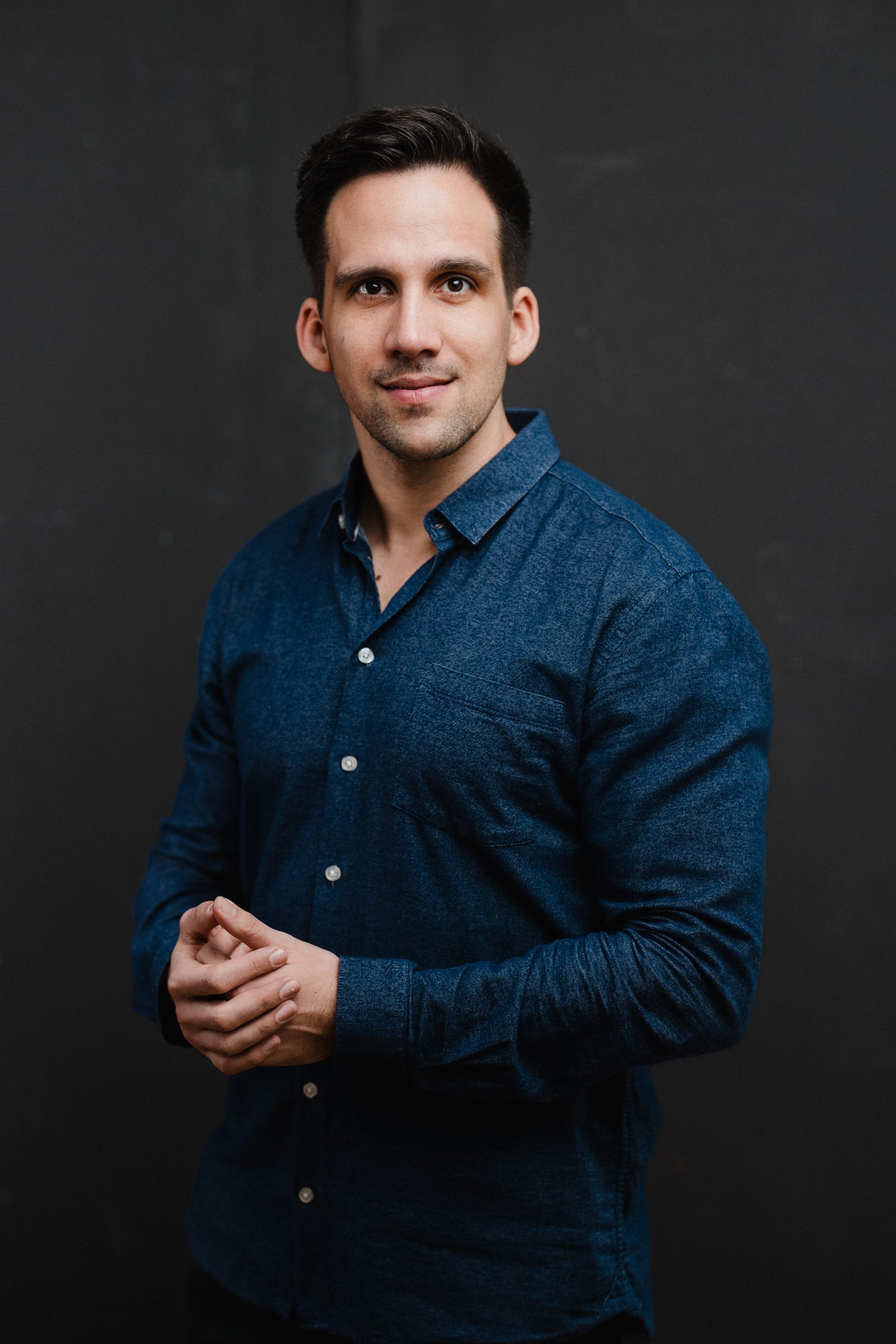
burnout coach, burnout coach Berlin, Anatol Hanau

My approach as a burnout coach

My coaching approach is rooted in real-life experience, practical knowledge, and scientific insight. I work with you as a whole person, not as a problem to be fixed.

Together, we look at what has contributed to your stress and exhaustion. This may include work pressure, unclear boundaries, perfectionism, people-pleasing, emotional overload, lack of recovery, responsibility, self-expectations, or the feeling that you must keep going no matter what.

I do not offer a generic anti-burnout formula. I help you understand your specific situation and build a framework that fits your life.

Burnout, burnout and stress

Stress and burnout are connected

Stress and burnout are closely related, but they are not the same. Stress often involves too much pressure, too much demand, and too much activation. Burnout can feel more like depletion, disconnection, and the sense that your system has been running beyond capacity for too long.

This is why simply pushing harder usually does not help. If your body and mind are already depleted, more pressure may deepen the problem.

Burnout coaching focuses on understanding your stress patterns and creating changes that help you recover, not just perform better.

Forward-looking recovery

Burnout coaching is practical and future-looking. It does not ignore what has happened, but it focuses on what can change from here.

We may look at your current routines, your work situation, your recovery time, your communication, your boundaries, and the beliefs that keep you trapped in overfunctioning. From there, we create small, manageable steps.

The aim is to help you move from survival mode into a more sustainable way of living and working.

Book your free call now

Don’t wait until everything collapses.

Let’s explore whether coaching is right for you.
Book your free call now

Building sustainable daily routines

Burnout recovery often requires more than a short break. A holiday may help for a moment, but if you return to the same patterns, the exhaustion can return too.

A burnout coach can help you build sustainable daily routines that support recovery and reduce the risk of repeating the same cycle. This may include clearer working hours, better transitions between work and rest, protected recovery time, movement, sleep routines, or communication changes.

The goal is not perfection. It is consistency that feels possible.

Work life balance after burnout

Work life balance becomes especially important when burnout signs appear. But balance is not only about dividing time between work and private life. It is also about energy, emotional capacity, responsibility, and the ability to truly disconnect.

You may be physically away from work but mentally still answering emails, solving problems, or anticipating what comes next. You may feel guilty when resting or anxious when not being productive.

Coaching can help you understand what makes balance difficult and what needs to change in your daily life.

Understanding the root causes of burnout

A burnout coach can help you identify the root causes of burnout rather than only treating the surface symptoms. Sometimes the issue is not simply that you have “too much to do.” It may be that you feel unable to say no, unable to disappoint others, or unable to rest without guilt.

A major cause of burnout is often an inability to set boundaries. This can happen at work, in relationships, in family life, or inside your own expectations of yourself.

In coaching, we can explore where your boundaries became unclear, why they are difficult to protect, and how you can begin rebuilding them in practical, realistic ways.

Identifying personal stress triggers

Every person has different stress triggers. Some are external, such as workload, unclear expectations, conflict, constant availability, leadership pressure, or job insecurity. Others are internal, such as perfectionism, fear of failure, high self-expectations, or the belief that you must handle everything alone.

In coaching, we identify your specific stress triggers so you can respond earlier and more effectively. This kind of self-awareness is essential because burnout often develops gradually.

The earlier you recognize the pattern, the more options you have.

Reflective questioning and self-awareness

One of the most important parts of coaching is reflective questioning. I ask questions that help you see what has become automatic.

What do you keep saying yes to? What do you avoid saying directly? Where do you ignore your body’s signals? What do you believe would happen if you slowed down? What part of you feels responsible for everything?

These questions are not meant to judge you. They are meant to help you understand yourself more clearly and create space for new choices.

Relaxation techniques and nervous system support

Burnout coaching may include relaxation techniques such as meditation, breathing practices, progressive muscle relaxation, mindfulness, hypnosis, or simple body-based grounding. These methods can help you reconnect with your body and reduce stress activation.

Mayo Clinic lists meditation, mindfulness, progressive muscle relaxation, tai chi, yoga, breathing, and physical activity as common approaches that may support stress management and relaxation.

Depending on your needs, hypnosis or hypnotherapeutic relaxation can also be used as a way to support deeper focus, inner calm, and access to unconscious patterns. The aim is not to force calm or override what you feel. The point is to give your nervous system more opportunities to experience safety, regulation, and recovery.

Progressive muscle relaxation

Progressive muscle relaxation is a method where you tense and then release muscle groups. This can help you notice the difference between tension and relaxation.

For people under chronic stress, muscle tension can become so familiar that it feels normal. Progressive muscle relaxation can help rebuild awareness of the body and create a more direct experience of release.

It is simple, but it can be powerful when practiced regularly.

Autogenic training and meditation

Autogenic training is another relaxation technique that uses repeated phrases and body awareness to support calm. Meditation can also help train attention, reduce mental overload, and create more space between thoughts and reactions.

Not every method works for every person. Some people connect more with breathwork, others with movement, journaling, sensory grounding, or quiet reflection.

In coaching, we can explore what actually works for you instead of forcing a technique that does not fit.

Boundaries as burnout prevention

If burnout is connected to overextension, boundaries become essential. Boundaries are not selfish. They are a way of protecting your energy, health, and ability to remain connected to what matters.

Boundaries may involve saying no, renegotiating expectations, limiting availability, communicating capacity, or changing how you respond to urgency.

This can feel uncomfortable at first, especially if you are used to being reliable, helpful, or high-performing. Coaching can support you in practicing boundaries in a way that feels grounded and realistic.

Action plans for recovery

Burnout coaching combines goal-setting with sustainable lifestyle changes. We can create an action plan that includes both practical steps and deeper reflection.

This might involve identifying one boundary to practice, one recovery routine to protect, one conversation to prepare, or one belief to challenge. Small steps matter because burnout recovery often requires rebuilding trust with yourself.

The plan should not overwhelm you. It should help you feel more capable.

daily routines, sustainable routines

Multisensory Coaching™ for burnout recovery

My Multisensory Coaching™ approach is one of the most distinctive parts of my work. It is a science-based method that I developed and refined through my collaborations in behavioral science and addiction research with institutions such as Charité Berlin, the University of Heidelberg, and the Z.I. in Mannheim, as well as through exchanges with leading experts, behavioral scientists, and clinical practice.

The method is based on the understanding that change does not happen only through thinking. Your senses, body, emotions, memory, and lived experience all shape how you respond to pressure, exhaustion, and stress.

I describe Multisensory Coaching™ as using sensory input to create a more immersive and impactful coaching experience, helping insights be more deeply felt, recalled, and integrated into daily life.

For burnout coaching, this matters because insight alone is often not enough. You may know that you need rest, but your body may still react as if stopping is unsafe. You may understand your limits intellectually, but still feel pulled into old patterns of overworking, pleasing others, or pushing through.

Multisensory Coaching™ can help bridge that gap. By working with sensory experience, embodied awareness, and emotional memory, coaching becomes more than a conversation about burnout. It becomes a process of helping your system recognize what safety, recovery, and sustainable change can actually feel like.

Burnout coaching and rapport

Before beginning deeper burnout coaching, it is important that we speak first and sense whether the connection feels right. Coaching works best when there is trust, honesty, and rapport.

That is why I offer a free 15-minute session. We can talk about what you are experiencing, what kind of support you are looking for, and whether my approach feels aligned with your needs.

There is no pressure to have the perfect words. You can start with what is present.

Schedule a Free 15-Minute Session

What we may work on together

In burnout coaching, we may work on stress triggers, boundaries, work life balance, self-expectations, communication, recovery routines, emotional awareness, nervous system regulation, and long-term prevention.

We may also look at the personal meaning behind your exhaustion. What have you been carrying? What has become too much? What part of your life no longer supports you? What needs to be released, changed, or restructured?

The process is tailored to your situation. Individualized support is crucial because burnout never looks exactly the same from one person to another.

Burnout coaching is not about telling you to simply relax or become more productive. It is about helping you understand what has led you to this point, what needs to change, and how you can begin rebuilding your energy, boundaries, and self-trust in a sustainable way.

In my coaching, I support people who want to better understand their relationship with stress, pressure, responsibility, and recovery. My approach is personal, practical, and tailored to your real life.

Burnout coaching for professionals

Burnout manifests differently depending on the profession. A founder may experience it through constant responsibility and decision fatigue. A manager may feel trapped between team needs and business pressure. A creative professional may feel disconnected from the work that once gave them meaning.

A healthcare worker, teacher, consultant, parent, freelancer, or executive may each experience burnout differently. That is why burnout coaching must consider your real context.

We look at how your environment, role, expectations, and identity all interact.

The earlier you recognize the pattern, the more options you have.

Reflective questioning and self-awareness

One of the most important parts of coaching is reflective questioning. I ask questions that help you see what has become automatic.

What do you keep saying yes to? What do you avoid saying directly? Where do you ignore your body’s signals? What do you believe would happen if you slowed down? What part of you feels responsible for everything?

These questions are not meant to judge you. They are meant to help you understand yourself more clearly and create space for new choices.

Relaxation techniques and nervous system support

Burnout coaching may include relaxation techniques such as meditation, breathing practices, progressive muscle relaxation, mindfulness, hypnosis, or simple body-based grounding. These methods can help you reconnect with your body and reduce stress activation.

Mayo Clinic lists meditation, mindfulness, progressive muscle relaxation, tai chi, yoga, breathing, and physical activity as common approaches that may support stress management and relaxation.

Depending on your needs, hypnosis or hypnotherapeutic relaxation can also be used as a way to support deeper focus, inner calm, and access to unconscious patterns. The aim is not to force calm or override what you feel. The point is to give your nervous system more opportunities to experience safety, regulation, and recovery.

Progressive muscle relaxation

Progressive muscle relaxation is a method where you tense and then release muscle groups. This can help you notice the difference between tension and relaxation.

For people under chronic stress, muscle tension can become so familiar that it feels normal. Progressive muscle relaxation can help rebuild awareness of the body and create a more direct experience of release.

It is simple, but it can be powerful when practiced regularly.

Autogenic training and meditation

Autogenic training is another relaxation technique that uses repeated phrases and body awareness to support calm. Meditation can also help train attention, reduce mental overload, and create more space between thoughts and reactions.

Not every method works for every person. Some people connect more with breathwork, others with movement, journaling, sensory grounding, or quiet reflection.

In coaching, we can explore what actually works for you instead of forcing a technique that does not fit.

Boundaries as burnout prevention

If burnout is connected to overextension, boundaries become essential. Boundaries are not selfish. They are a way of protecting your energy, health, and ability to remain connected to what matters.

Boundaries may involve saying no, renegotiating expectations, limiting availability, communicating capacity, or changing how you respond to urgency.

This can feel uncomfortable at first, especially if you are used to being reliable, helpful, or high-performing. Coaching can support you in practicing boundaries in a way that feels grounded and realistic.

Action plans for recovery

Burnout coaching combines goal-setting with sustainable lifestyle changes. We can create an action plan that includes both practical steps and deeper reflection.

This might involve identifying one boundary to practice, one recovery routine to protect, one conversation to prepare, or one belief to challenge. Small steps matter because burnout recovery often requires rebuilding trust with yourself.

The plan should not overwhelm you. It should help you feel more capable.

When coaching is the right fit

Coaching may be a good fit if you are stable enough to reflect, make choices, and take practical steps, but you feel stuck in stress patterns that are no longer sustainable.

It may help if you want to understand your burnout risk, rebuild healthier routines, strengthen boundaries, and create a more sustainable relationship with work and responsibility.

If you are unsure whether coaching or therapy is the better next step, a consultation call can help clarify the right direction.
When coaching is the right fit

Coaching may be a good fit if you are stable enough to reflect, make choices, and take practical steps, but you feel stuck in stress patterns that are no longer sustainable.

It may help if you want to understand your burnout risk, rebuild healthier routines, strengthen boundaries, and create a more sustainable relationship with work and responsibility.

If you are unsure whether coaching or therapy is the better next step, a consultation call can help clarify the right direction.

Working with me

If you are looking for an online burnout coach and want support that is personal, practical, and grounded, I invite you to work with me.

Together, we can explore what has brought you to this point, what needs to change, and how you can begin building a more sustainable rhythm. My coaching is not about pushing you back into performance. It is about helping you reconnect with yourself and your life in a healthier way.

When to seek medical or therapeutic support

If you feel unable to function, experience severe depression, panic, trauma symptoms, self-harm thoughts, or a sense that you are no longer safe, please seek medical or therapeutic support immediately.

Burnout can overlap with depression, anxiety, and other mental health concerns. A coach should not diagnose or treat these conditions.

Good coaching includes knowing its limits. If therapy or medical care would better support you, that matters more than trying to force coaching to fit.

Book your free call now

Book a free session

A free session gives us a chance to meet and see whether my coaching is right for you.
Book your free call now

FAQ

A burnout coach online helps you understand stress patterns, identify burnout triggers, build healthier routines, strengthen boundaries, and create practical steps toward recovery and prevention.

No. Burnout coaching is not therapy and does not replace medical or psychological treatment. Coaching focuses on reflection, practical action, lifestyle changes, and future-looking support.

Coaching can help if you are stable enough to reflect and take action. It can support stress management, work life balance, boundaries, routines, self-awareness, and burnout prevention. Severe symptoms require medical or therapeutic support.

Online burnout coaching usually takes place through video calls. We discuss your situation, identify patterns, create action steps, and use reflective questions and practical tools to support change.

Burnout often develops from chronic workplace stress that has not been successfully managed. Common contributors include overload, lack of boundaries, unclear expectations, emotional strain, and sustained pressure.

Burnout coaching may include reflective questioning, action planning, boundary work, stress management, meditation, breathing exercises, progressive muscle relaxation, autogenic training, and daily routine design.

No. Coaches do not diagnose mental health conditions. If you need diagnosis, treatment, or medical leave, you should speak with a doctor, psychotherapist, or qualified mental health professional.

A consultation call helps us assess rapport, fit, and whether coaching is appropriate for your situation. Burnout work requires trust, so the first conversation matters.

life coach, life coaching in Berlin, life coach Berlin, online life coaching

Hinweis für deutschsprachige Klient:innen

Wenn Sie nach Burnout Coach Online, Burnout Coach, Burnout Berater oder Unterstützung bei Stress und Burnout suchen, geht es wahrscheinlich nicht mehr nur um normalen Alltagsstress. Vielleicht merken Sie, dass Sie nicht mehr richtig abschalten können, dass Ihre Energie fehlt oder dass der Druck im Job und im Alltag zu viel geworden ist.

Wichtig ist, früh zu verstehen, welche Stressfaktoren bei Burnout eine Rolle spielen. Im Coaching geht es darum, sich selbst besser kennenzulernen, die eigenen Muster zu erkennen und neue Wege im Umgang mit Belastung zu entwickeln. Ich kann Sie dabei unterstützen, mehr Klarheit über Ihre Situation zu gewinnen und konkrete Schritte zu finden, die Sie im Alltag umsetzen können.

Stressbewältigung und Burnoutprophylaxe

Stressbewältigung und Burnoutprophylaxe bedeuten nicht, dass Sie einfach stärker werden müssen. Es geht darum, Ihre Grenzen zu erkennen, Belastung zu reduzieren und nachhaltige Routinen zu entwickeln. Wenn Sie das Gefühl haben, nicht mehr in der Lage zu sein, wirklich zu regenerieren, ist es wichtig, Unterstützung zu suchen.

Im Bereich Burnout können Coaching Tools wie Reflexionsfragen, Atemübungen, Achtsamkeit, Meditation, progressive Muskelentspannung oder autogenes Training hilfreich sein. Diese Methoden können helfen, Stress zu reduzieren und den Körper wieder bewusster wahrzunehmen.

Burnout und Work Life Balance

Burnout und Work Life Balance hängen oft eng zusammen. Wenn Arbeit, Verantwortung und Erwartungen dauerhaft zu viel Raum einnehmen, kann das die eigene Gesundheit und Lebensqualität belasten.

Im Coaching schauen wir nicht nur auf Zeitmanagement, sondern auch auf innere Ansprüche, Grenzen, Kommunikation und die Frage, wie gestaltet sich ein Alltag, der nicht ständig auf Erschöpfung hinausläuft. Du kannst lernen, deine Bedürfnisse ernster zu nehmen und neue Entscheidungen für deine Energie zu treffen.

Bei Burnout: Coaching oder Therapie?

Bei Burnout kann Coaching hilfreich sein, wenn Sie stabil genug sind, zu reflektieren und praktische Schritte umzusetzen. Coaching ersetzt jedoch keine Therapie und keine medizinische Behandlung.

Wenn Sie unter starken Symptomen leiden, sich in einer Krise befinden oder das Gefühl haben, nicht mehr sicher zu sein, sollten Sie sich an eine qualifizierte Fachperson wenden. Coaching kann begleiten, aber es ist nicht dafür da, psychische Erkrankungen zu diagnostizieren oder zu behandeln.

Häufig gestellte Fragen

Ein Burnout Coach unterstützt Menschen dabei, Stressmuster zu erkennen, persönliche Auslöser zu verstehen, Grenzen zu stärken und konkrete Schritte zur Entlastung im Alltag zu entwickeln.

Nein. Burnout Coaching ist keine medizinische Behandlung und keine Therapie. Wenn Sie starke Symptome haben oder psychotherapeutische Unterstützung brauchen, wenden Sie sich bitte an eine qualifizierte Fachperson.

Wichtig ist, die eigenen Warnsignale ernst zu nehmen, Belastung zu reduzieren, Unterstützung zu suchen und nachhaltige Routinen aufzubauen. Coaching kann helfen, diese Schritte klarer zu sehen.

Burnout Coaching online findet meist live online über Video statt. Wir sprechen über Ihre Situation, erkennen Muster und entwickeln praktische Schritte für Ihren Alltag.

Ein ausführlicher Coaching Prozess findet normalerweise nicht nur per E-Mail statt. Per E-Mail können Sie Kontakt aufnehmen oder Fragen stellen, aber für die eigentliche Arbeit ist ein Gespräch per Video meist sinnvoller.

Stressbewältigung und Burnoutprophylaxe umfassen Strategien, um Stress zu reduzieren, Grenzen zu erkennen, Erholung zu stärken und einem Burnout vorzubeugen.

Nein. Ich biete keine Ausbildung zum Burnout Coach an. Mein Angebot richtet sich an Menschen, die selbst Unterstützung bei Burnout, Stress und Work Life Balance suchen.

Eine Burnout Coach Ausbildung kann Entspannungstechniken, Meditation, Stressmanagement, Arbeit mit der Gruppe, Praxisübungen und Zertifizierung enthalten. Mein Angebot ist jedoch Coaching für Klient:innen, keine Ausbildung.

Coaching kann helfen, Muster früher zu erkennen, Grenzen zu stärken, Stress zu reduzieren und Routinen zu entwickeln, die Burnout vorbeugen. Bei schweren Symptomen ist therapeutische oder medizinische Unterstützung wichtig.

Du kannst ein kostenloses 15-Minuten-Gespräch buchen. Dort schauen wir gemeinsam, ob mein Coaching Ansatz zu deiner Situation passt.