

Emotional resilience is not about becoming hard, detached, or untouched by life. It is about learning how to stay connected to yourself when life feels uncertain, painful, stressful, or overwhelming.
When I work with people on emotional resilience, I do not see it as a quick technique or a simple mindset shift. I see it as a process of self discovery, emotional awareness, and practical change. It is a way of understanding your feelings, your nervous system, your needs, and your capacity to keep moving forward through life’s challenges.
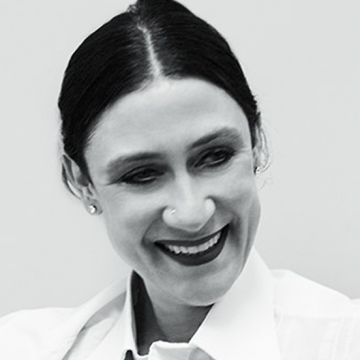













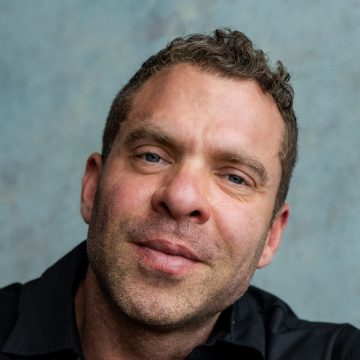

As a very rational, self-reflective, and solution-oriented person, coaching never really felt like a genuine option for me for a long time. I was convinced that I had to find my answers on my own. My first meeting with Anatol came at a time when my desire for change had become stronger than the excuses I had been using to gloss over certain things. I went into the first session without any expectations and left 90 minutes later with a feeling I had not anticipated: complete acceptance, a true sense of being seen, and deep trust. For the first time in a long time, Anatol gave me a space that was not about performance, expectations, or other people’s opinions. A space where I did not have to achieve anything, tick anything off, arrange, coordinate, or stay in control. Instead, I was simply allowed to be. What impressed me most is Anatol’s ability to create clarity and peace in the places where my mind can no longer find a way forward. I will miss this time. This space that belonged only to me, and that brought me so much peace, happiness, gratitude, and trust in myself. With the tools Anatol introduced me to, I now have the option at any time to create this space for myself, a space from which I can draw so much strength and gratitude.
THANK YOU.








Working with Anatol, I experienced a coaching approach that effectively combines diverse methods of personal and professional development. His work brings together scientifically grounded approaches with proven practices that translate clearly into real world impact. What stood out most to me was his holistic way of working. The tools he provides engage both intellect and emotion, helping to uncover and activate personal potential in a sustainable way. Throughout the process, Anatol consistently aligns his work with the individual goals, needs, and questions of his clients. During our collaboration, Anatol repeatedly impressed me with his strong empathy, presence, and his ability to offer insights that are both intuitive and analytically precise. He supports the development of personal strengths while helping clients address challenges constructively, always guided by a positive, respectful, and nonjudgmental attitude. Working with Anatol was not only enriching but genuinely effective. The insights and tools I gained have since become a solid foundation for my ongoing personal and professional growth.




What emotional resilience really means
Emotional resilience is the ability to adapt to stressful situations, recover from setbacks, and find your balance again after difficult emotions or adverse situations. It does not mean you never feel fear, sadness, anger, anxiety, or self doubt. It means you can feel these things and still remain connected to yourself.
Building emotional resilience helps you manage stress, process difficult emotions, and respond to everyday challenges in a healthier way. It gives you more space between what happens and how you react. Over time, that space becomes a source of emotional strength.
The American Psychological Association often describes resilience as the process of adapting well in the face of adversity, trauma, tragedy, threats, or significant sources of stress. I find the word “process” important here. Resilience is not a fixed personality trait. It is something you can develop, practice, and strengthen over time.
My approach to building emotional resilience
My coaching approach is rooted in connection, awareness, and practical change. I work with you as a whole person, not as a problem to be fixed. Together, we explore what happens inside you when you face adversity, feel nervous, experience negative emotions, or lose your emotional balance.
This work is personal because resilience is personal. Two people can go through similar stressful situations and experience them in very different ways. Your history, environment, nervous system, relationships, beliefs, and coping strategies all play a key role in how you respond to stress.
In my coaching, I help you identify areas where old patterns may be limiting you and support you in developing coping mechanisms that fit your real life. The goal is not to become someone else. The goal is to reconnect with your own resources and develop resilience from the inside out.

My approach to building emotional resilience
My coaching approach is rooted in connection, awareness, and practical change. I work with you as a whole person, not as a problem to be fixed. Together, we explore what happens inside you when you face adversity, feel nervous, experience negative emotions, or lose your emotional balance.
This work is personal because resilience is personal. Two people can go through similar stressful situations and experience them in very different ways. Your history, environment, nervous system, relationships, beliefs, and coping strategies all play a key role in how you respond to stress.
In my coaching, I help you identify areas where old patterns may be limiting you and support you in developing coping mechanisms that fit your real life. The goal is not to become someone else. The goal is to reconnect with your own resources and develop resilience from the inside out.
Step into a Partnership that Values Genuine, Caring Support as we Navigate your Road to Meaningful and Enduring Progress.
Pick the approach that feels right for you:



My Multisensory Coaching™ approach
My Multisensory Coaching™ approach is one of the central parts of how I work. It is based on the understanding that change does not happen only through thinking. Your senses, body, emotions, memory, and lived experience all shape how you respond when life becomes difficult.
You may understand something intellectually but still react from an old pattern when stress appears. This is not because you are failing. It is often because the insight has not yet become accessible in the moment when your nervous system is activated.
By working with sensory experience and embodied awareness, coaching can help make insight more practical. The aim is not simply to understand yourself during a session, but to make that understanding easier to remember and apply in everyday life.
For emotional resilience, this matters because resilience is not only an idea. It is something you need to access when you feel pressure, uncertainty, conflict, or emotional intensity. My goal is to help the work become usable where it matters most: in your real life.
Why my background matters for this work
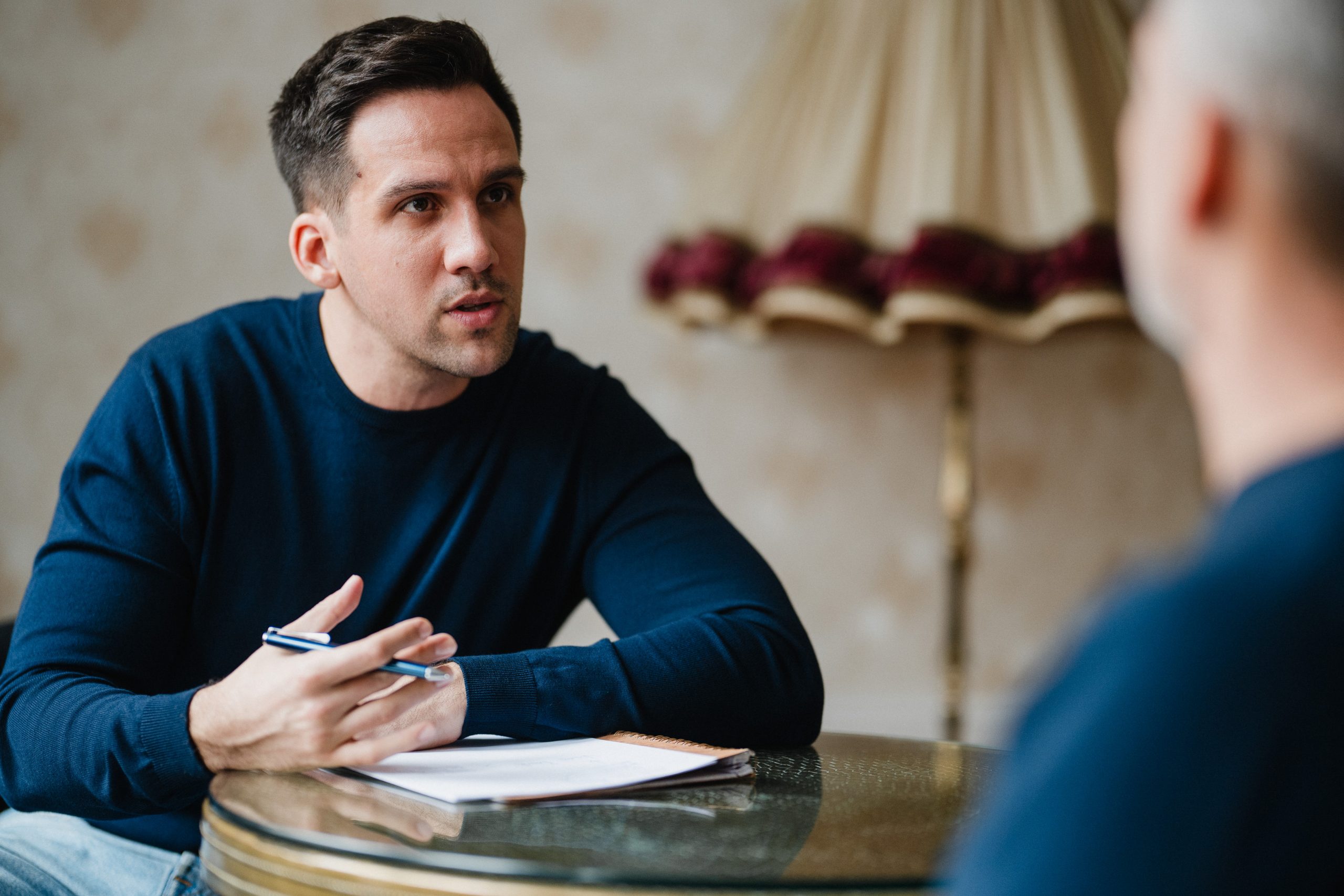
When you are looking for support with emotional resilience, it matters who you choose to work with. This kind of coaching asks for trust, clarity, and a grounded understanding of how people respond to stress, pressure, change, and inner conflict.
My work is shaped by more than 15 years of professional experience, including over 10 years as an international consultant across different industries. I have worked with C-level leaders, high performers, professionals, and people navigating complex personal and professional challenges. This background helps me understand the kind of pressure that can exist behind outward success.
At the same time, my coaching is not only performance-oriented. It is personal, reflective, and human. My approach is also influenced by scientific collaborations and exchanges with institutions such as Charité Berlin, Heidelberg University, and the Central Institute of Mental Health in Mannheim. These experiences inform the way I think about self-awareness, behavior, emotional patterns, and sustainable change.
One of the most distinctive parts of my work is my scientifically based Multisensory Coaching™ method. It is designed to help insights become more than ideas. By working with sensory experience, emotional memory, and embodied awareness, coaching can become easier to integrate into real-life situations.
What I offer is a thoughtful, structured, and personal coaching space where we can explore what is happening beneath the surface and develop steps that fit your life.

Why my background matters for this work
When you are looking for support with emotional resilience, it matters who you choose to work with. This kind of coaching asks for trust, clarity, and a grounded understanding of how people respond to stress, pressure, change, and inner conflict.
My work is shaped by more than 15 years of professional experience, including over 10 years as an international consultant across different industries. I have worked with C-level leaders, high performers, professionals, and people navigating complex personal and professional challenges. This background helps me understand the kind of pressure that can exist behind outward success.
At the same time, my coaching is not only performance-oriented. It is personal, reflective, and human. My approach is also influenced by scientific collaborations and exchanges with institutions such as Charité Berlin, Heidelberg University, and the Central Institute of Mental Health in Mannheim. These experiences inform the way I think about self-awareness, behavior, emotional patterns, and sustainable change.
One of the most distinctive parts of my work is my scientifically based Multisensory Coaching™ method. It is designed to help insights become more than ideas. By working with sensory experience, emotional memory, and embodied awareness, coaching can become easier to integrate into real-life situations.
What I offer is a thoughtful, structured, and personal coaching space where we can explore what is happening beneath the surface and develop steps that fit your life.
My own path to emotional resilience

Exploring Innovations with Europe's Leading Specialists

Traveling to different parts of the world for me always has deepened my understanding of connection.

In April 2015, Nepal was struck by a massive earthquake, measuring 7.8 on the Richter scale, which claimed nearly 9,000 lives and injured more than 22,000 individuals.

Work with me
If you want support in building emotional resilience, I invite you to work with me. Together, we can explore what makes stressful situations feel overwhelming, what patterns keep repeating, and what practical steps can help you develop resilience in everyday life.
My work is designed to support personal growth, emotional awareness, and a stronger sense of self-efficacy. I help you reconnect with your own resources and apply what you discover in real situations, under real pressure, in your real life.
You do not have to build emotional resilience alone. Support can make the process clearer, more grounded, and more compassionate.
Why personal coaching can help
Sometimes it is difficult to see your own patterns clearly. You may know that something needs to change, but not know where to begin. You may understand your stress intellectually, but still feel stuck emotionally.
Coaching gives you a space to slow down, reflect, and reconnect with your own capacity. It can help you build self awareness, self compassion, emotional balance, and practical tools for everyday challenges.
You do not need to have everything figured out before you begin. Often, the beginning is simply the willingness to look honestly and take one step.

Why personal coaching can help
Sometimes it is difficult to see your own patterns clearly. You may know that something needs to change, but not know where to begin. You may understand your stress intellectually, but still feel stuck emotionally.
Coaching gives you a space to slow down, reflect, and reconnect with your own capacity. It can help you build self awareness, self compassion, emotional balance, and practical tools for everyday challenges.
You do not need to have everything figured out before you begin. Often, the beginning is simply the willingness to look honestly and take one step.
Ready to understand your patterns more clearly?

Boundaries and emotional resilience
Healthy boundaries are a practical part of building resilience. Without boundaries, you may take on too much, say yes when you need to say no, or spend time in environments that drain your energy.
A boundary is not a wall. It is a clear line that helps protect your mental health, emotional balance, and sense of self. Boundaries allow you to stay connected to others without abandoning yourself.
For many people, boundaries are difficult because they bring up guilt, fear, or discomfort. But every time you practice a healthy boundary, you teach yourself that your needs matter.
Building resilience after traumatic events
Building resilience after traumatic events needs care, patience, and the right kind of support. Resilience should never be forced. You do not need to turn pain into growth before you feel safe.
Sometimes resilience begins with acknowledging what happened and recognizing how it affected your body, choices, relationships, and sense of safety. Sometimes it begins with understanding that your reactions were not weakness, but responses to something overwhelming.
Coaching can sometimes support people in rebuilding self awareness, boundaries, and everyday stability after difficult experiences. But if you are working with trauma symptoms, severe anxiety, depression, emotional distress that affects your safety, or experiences that feel too heavy to process alone, therapy or medical support may be more appropriate than coaching.
Knowing when to seek professional support is part of resilience. You do not need to carry everything by yourself.

Building resilience after traumatic events
Building resilience after traumatic events needs care, patience, and the right kind of support. Resilience should never be forced. You do not need to turn pain into growth before you feel safe.
Sometimes resilience begins with acknowledging what happened and recognizing how it affected your body, choices, relationships, and sense of safety. Sometimes it begins with understanding that your reactions were not weakness, but responses to something overwhelming.
Coaching can sometimes support people in rebuilding self awareness, boundaries, and everyday stability after difficult experiences. But if you are working with trauma symptoms, severe anxiety, depression, emotional distress that affects your safety, or experiences that feel too heavy to process alone, therapy or medical support may be more appropriate than coaching.
Knowing when to seek professional support is part of resilience. You do not need to carry everything by yourself.

Practical tools that can support emotional resilience
Practical tools can support emotional resilience, especially when they are connected to your real patterns rather than used as generic advice. These tools are not the whole process, but they can support the coaching work.
Deep breathing can help create space when your nervous system feels activated. Mindfulness can help you notice your thoughts and sensations without immediately reacting to them. Movement and physical activity can help your body process tension and reduce stress.
Enough sleep, a balanced diet, and regular self care also matter because emotional resilience is linked to physical health. When your body is depleted, it becomes harder to manage emotions, handle stress, and respond with clarity.
Supportive relationships are another important part of resilience. Seeking support from loved ones, a trusted friend, a family member, a coach, or a mental health professional can reduce isolation and help you feel more grounded during difficult times.
These practices are helpful, but they become more powerful when they are connected to self awareness. The question is not only, “What technique should I use?” It is also, “What do I need to understand about myself so this change can last?”
Know when to seek professional support
Coaching can support self awareness, personal growth, coping strategies, emotional regulation, and building resilience. At the same time, some situations require support from a mental health professional.
If you are experiencing severe anxiety disorders, depression, trauma symptoms, thoughts of self-harm, or distress that makes daily life unsafe or unmanageable, please seek professional support. A clinical psychologist, psychotherapist, doctor, or crisis service can provide care that coaching is not designed to replace.
Resilience includes knowing when you need more support. You do not have to wait until everything falls apart before asking for help.

Know when to seek professional support
Coaching can support self awareness, personal growth, coping strategies, emotional regulation, and building resilience. At the same time, some situations require support from a mental health professional.
If you are experiencing severe anxiety disorders, depression, trauma symptoms, thoughts of self-harm, or distress that makes daily life unsafe or unmanageable, please seek professional support. A clinical psychologist, psychotherapist, doctor, or crisis service can provide care that coaching is not designed to replace.
Resilience includes knowing when you need more support. You do not have to wait until everything falls apart before asking for help.

A simple daily resilience exercise
At the end of the day, take five minutes and ask yourself four questions: What did I feel today? What helped me manage stress? Where did I ignore my needs? What is one kind and practical step I can take tomorrow?
This simple exercise builds emotional awareness, self awareness, and emotional regulation. It also helps you identify areas where you may need more support.
You do not need to answer perfectly. The purpose is to build a habit of listening to yourself.