
Online burnout coaching that fits your life
Working with a burnout coach online gives you support without adding more pressure to your schedule. You can meet from your own space, avoid travel, and create room for reflection even if your life feels full.
Online coaching can be especially helpful when you are already tired, overstimulated, or trying to reduce unnecessary demands. It allows us to work in a focused and personal way while keeping the process accessible.
The goal is not to add another task to your life. The goal is to help you understand what is draining you and what can support you.

What burnout can feel like
Burnout can show up in different ways depending on the person, profession, and life context. For some people, it feels like constant exhaustion. For others, it appears as irritability, cynicism, loss of motivation, emotional numbness, or the feeling that nothing they do is ever enough.
The World Health Organization describes burnout as an occupational phenomenon resulting from chronic workplace stress that has not been successfully managed. It is characterized by energy depletion or exhaustion, increased mental distance or negativity toward work, and reduced professional efficacy. (World Health Organization)
This distinction matters. Burnout is strongly connected to work and chronic stress, but the effects can reach far beyond your job.


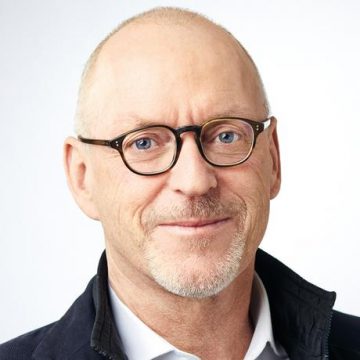

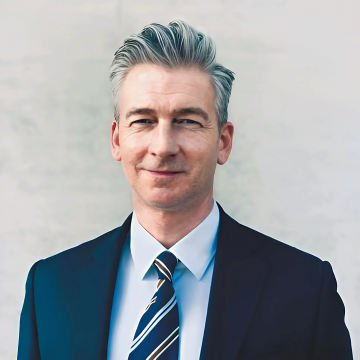


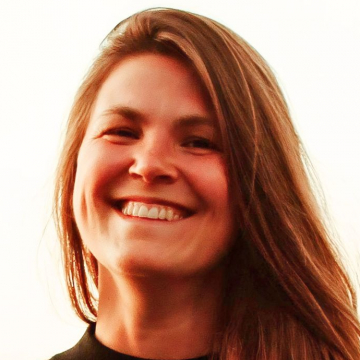

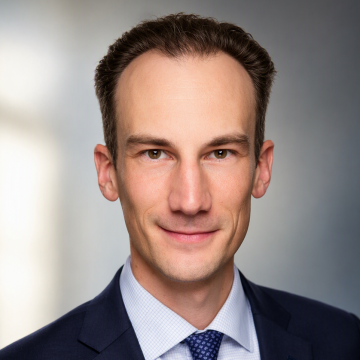




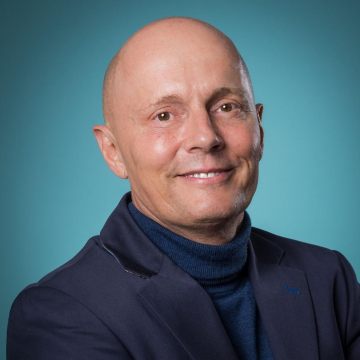
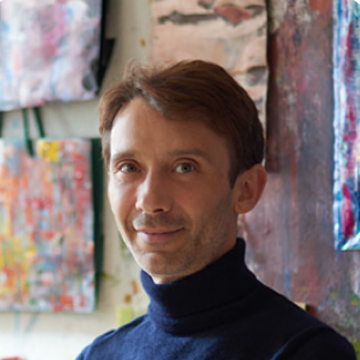


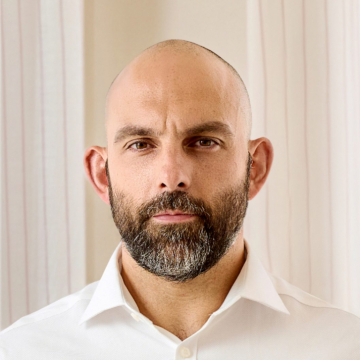
As a very rational, self-reflective, and solution-oriented person, coaching never really felt like a genuine option for me for a long time. I was convinced that I had to find my answers on my own. My first meeting with Anatol came at a time when my desire for change had become stronger than the excuses I had been using to gloss over certain things. I went into the first session without any expectations and left 90 minutes later with a feeling I had not anticipated: complete acceptance, a true sense of being seen, and deep trust. For the first time in a long time, Anatol gave me a space that was not about performance, expectations, or other people’s opinions. A space where I did not have to achieve anything, tick anything off, arrange, coordinate, or stay in control. Instead, I was simply allowed to be. What impressed me most is Anatol’s ability to create clarity and peace in the places where my mind can no longer find a way forward. I will miss this time. This space that belonged only to me, and that brought me so much peace, happiness, gratitude, and trust in myself. With the tools Anatol introduced me to, I now have the option at any time to create this space for myself, a space from which I can draw so much strength and gratitude.
THANK YOU.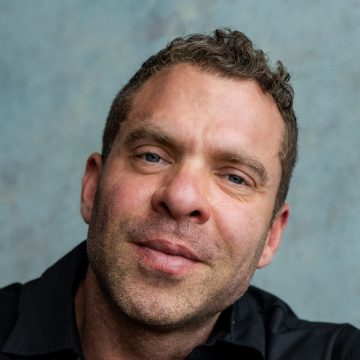
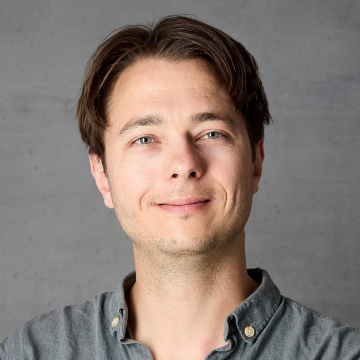
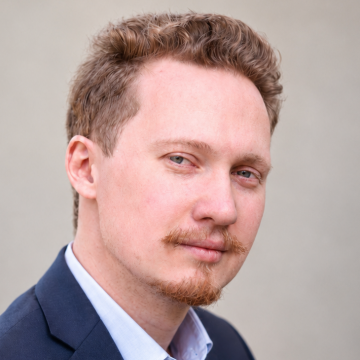
Working with Anatol, I experienced a coaching approach that effectively combines diverse methods of personal and professional development. His work brings together scientifically grounded approaches with proven practices that translate clearly into real world impact. What stood out most to me was his holistic way of working. The tools he provides engage both intellect and emotion, helping to uncover and activate personal potential in a sustainable way. Throughout the process, Anatol consistently aligns his work with the individual goals, needs, and questions of his clients. During our collaboration, Anatol repeatedly impressed me with his strong empathy, presence, and his ability to offer insights that are both intuitive and analytically precise. He supports the development of personal strengths while helping clients address challenges constructively, always guided by a positive, respectful, and nonjudgmental attitude. Working with Anatol was not only enriching but genuinely effective. The insights and tools I gained have since become a solid foundation for my ongoing personal and professional growth.


My approach as a burnout coach
My coaching approach is rooted in real-life experience, practical knowledge, and scientific insight. I work with you as a whole person, not as a problem to be fixed.
My approach is also influenced by scientific collaborations and exchanges with institutions such as Charité Berlin, Heidelberg University, and the Central Institute of Mental Health in Mannheim. These experiences inform the way I think about self-awareness, behavior, emotional patterns, and sustainable change.
Together, we look at what has contributed to your stress and exhaustion. This may include work pressure, unclear boundaries, perfectionism, people-pleasing, emotional overload, lack of recovery, responsibility, self-expectations, or the feeling that you must keep going no matter what.
I do not offer a generic anti-burnout formula. I help you understand your specific situation and build a framework that fits your life.

My approach as a burnout coach
My coaching approach is rooted in real-life experience, practical knowledge, and scientific insight. I work with you as a whole person, not as a problem to be fixed.
Together, we look at what has contributed to your stress and exhaustion. This may include work pressure, unclear boundaries, perfectionism, people-pleasing, emotional overload, lack of recovery, responsibility, self-expectations, or the feeling that you must keep going no matter what.
I do not offer a generic anti-burnout formula. I help you understand your specific situation and build a framework that fits your life.

Stress and burnout are connected
Stress and burnout are closely related, but they are not the same. Stress often involves too much pressure, too much demand, and too much activation. Burnout can feel more like depletion, disconnection, and the sense that your system has been running beyond capacity for too long.
This is why simply pushing harder usually does not help. If your body and mind are already depleted, more pressure may deepen the problem.
Burnout coaching focuses on understanding your stress patterns and creating changes that help you recover, not just perform better.
Forward-looking recovery
Burnout coaching is practical and future-looking. It does not ignore what has happened, but it focuses on what can change from here.
We may look at your current routines, your work situation, your recovery time, your communication, your boundaries, and the beliefs that keep you trapped in overfunctioning. From there, we create small, manageable steps.
The aim is to help you move from survival mode into a more sustainable way of living and working.
Don’t wait until everything collapses.
Building sustainable daily routines
Burnout recovery often requires more than a short break. A holiday may help for a moment, but if you return to the same patterns, the exhaustion can return too.
A burnout coach can help you build sustainable daily routines that support recovery and reduce the risk of repeating the same cycle. This may include clearer working hours, better transitions between work and rest, protected recovery time, movement, sleep routines, or communication changes.
The goal is not perfection. It is consistency that feels possible.
Work life balance after burnout
Work life balance becomes especially important when burnout signs appear. But balance is not only about dividing time between work and private life. It is also about energy, emotional capacity, responsibility, and the ability to truly disconnect.
You may be physically away from work but mentally still answering emails, solving problems, or anticipating what comes next. You may feel guilty when resting or anxious when not being productive.
Coaching can help you understand what makes balance difficult and what needs to change in your daily life.

Multisensory Coaching™ for burnout recovery
My Multisensory Coaching™ approach is one of the most distinctive parts of my work. It is a science-based method that I developed and refined through my collaborations in behavioral science and addiction research with institutions such as Charité Berlin, the University of Heidelberg, and the Z.I. in Mannheim, as well as through exchanges with leading experts, behavioral scientists, and clinical practice.
The method is based on the understanding that change does not happen only through thinking. Your senses, body, emotions, memory, and lived experience all shape how you respond to pressure, exhaustion, and stress.
I describe Multisensory Coaching™ as using sensory input to create a more immersive and impactful coaching experience, helping insights be more deeply felt, recalled, and integrated into daily life.
For burnout coaching, this matters because insight alone is often not enough. You may know that you need rest, but your body may still react as if stopping is unsafe. You may understand your limits intellectually, but still feel pulled into old patterns of overworking, pleasing others, or pushing through.
Multisensory Coaching™ can help bridge that gap. By working with sensory experience, embodied awareness, and emotional memory, coaching becomes more than a conversation about burnout. It becomes a process of helping your system recognize what safety, recovery, and sustainable change can actually feel like.

Burnout coaching and rapport
Before beginning deeper burnout coaching, it is important that we speak first and sense whether the connection feels right. Coaching works best when there is trust, honesty, and rapport.
That is why I offer a free 15-minute session. We can talk about what you are experiencing, what kind of support you are looking for, and whether my approach feels aligned with your needs.
There is no pressure to have the perfect words. You can start with what is present.
Schedule a Free 15-Minute Session
What we may work on together
In burnout coaching, we may work on stress triggers, boundaries, work life balance, self-expectations, communication, recovery routines, emotional awareness, nervous system regulation, and long-term prevention.
We may also look at the personal meaning behind your exhaustion. What have you been carrying? What has become too much? What part of your life no longer supports you? What needs to be released, changed, or restructured?
The process is tailored to your situation. Individualized support is crucial because burnout never looks exactly the same from one person to another.
When coaching is the right fit
Coaching may be a good fit if you are stable enough to reflect, make choices, and take practical steps, but you feel stuck in stress patterns that are no longer sustainable.
It may help if you want to understand your burnout risk, rebuild healthier routines, strengthen boundaries, and create a more sustainable relationship with work and responsibility.
If you are unsure whether coaching or therapy is the better next step, a consultation call can help clarify the right direction.

When coaching is the right fit
Coaching may be a good fit if you are stable enough to reflect, make choices, and take practical steps, but you feel stuck in stress patterns that are no longer sustainable.
It may help if you want to understand your burnout risk, rebuild healthier routines, strengthen boundaries, and create a more sustainable relationship with work and responsibility.
If you are unsure whether coaching or therapy is the better next step, a consultation call can help clarify the right direction.

Working with me
If you are looking for an online burnout coach and want support that is personal, practical, and grounded, I invite you to work with me.
Together, we can explore what has brought you to this point, what needs to change, and how you can begin building a more sustainable rhythm. My coaching is not about pushing you back into performance. It is about helping you reconnect with yourself and your life in a healthier way.
When to seek medical or therapeutic support
If you feel unable to function, experience severe depression, panic, trauma symptoms, self-harm thoughts, or a sense that you are no longer safe, please seek medical or therapeutic support immediately.
Burnout can overlap with depression, anxiety, and other mental health concerns. A coach should not diagnose or treat these conditions.
Good coaching includes knowing its limits. If therapy or medical care would better support you, that matters more than trying to force coaching to fit.
Book a free session
FAQ
Hinweis für deutschsprachige Klient:innen
Wenn Sie nach Burnout Coach Online, Burnout Coach, Burnout Berater oder Unterstützung bei Stress und Burnout suchen, geht es wahrscheinlich nicht mehr nur um normalen Alltagsstress. Vielleicht merken Sie, dass Sie nicht mehr richtig abschalten können, dass Ihre Energie fehlt oder dass der Druck im Job und im Alltag zu viel geworden ist.
Wichtig ist, früh zu verstehen, welche Stressfaktoren bei Burnout eine Rolle spielen. Im Coaching geht es darum, sich selbst besser kennenzulernen, die eigenen Muster zu erkennen und neue Wege im Umgang mit Belastung zu entwickeln. Ich kann Sie dabei unterstützen, mehr Klarheit über Ihre Situation zu gewinnen und konkrete Schritte zu finden, die Sie im Alltag umsetzen können.